Author: Steve
• Sunday, August 01st, 2010

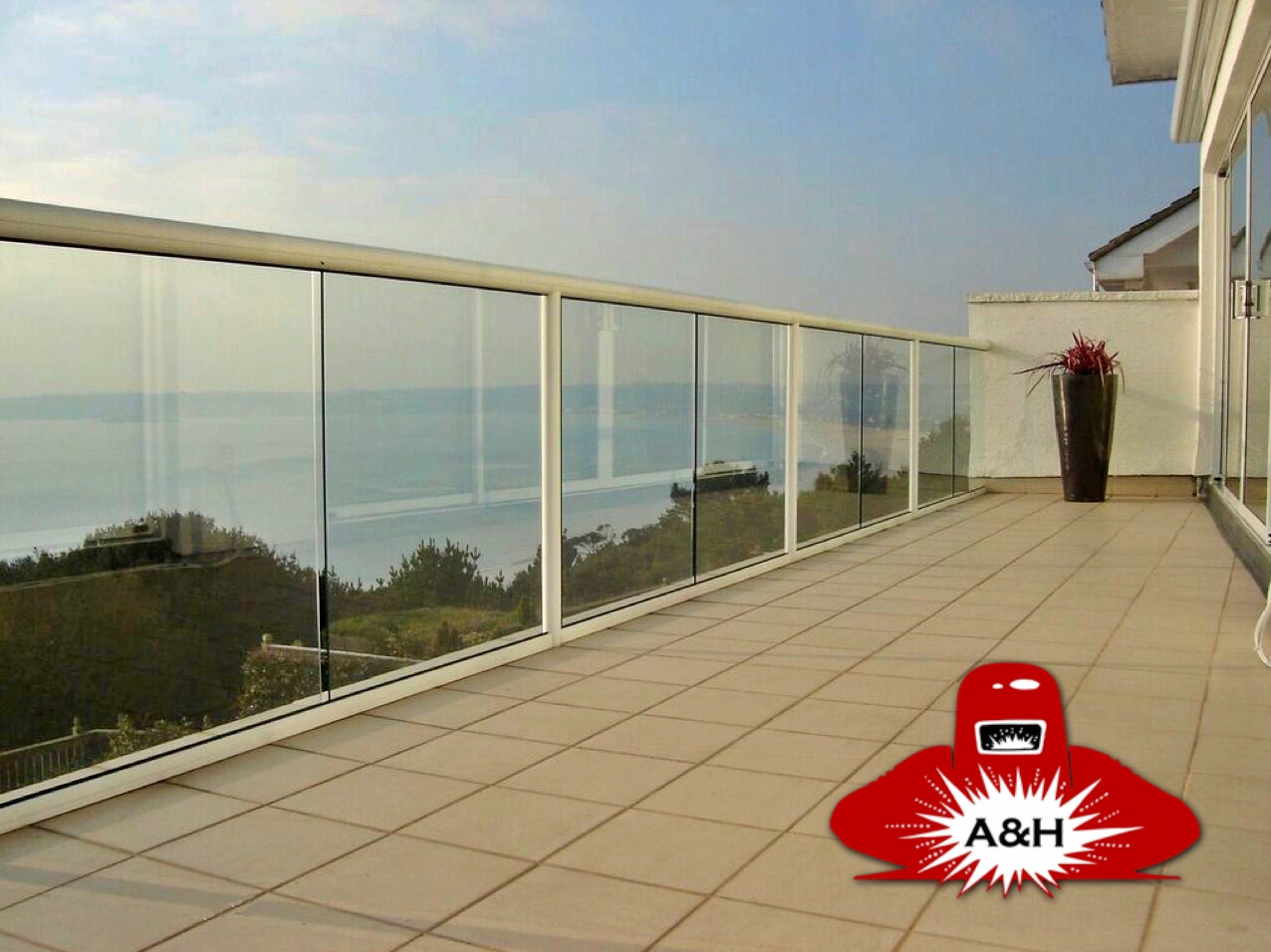
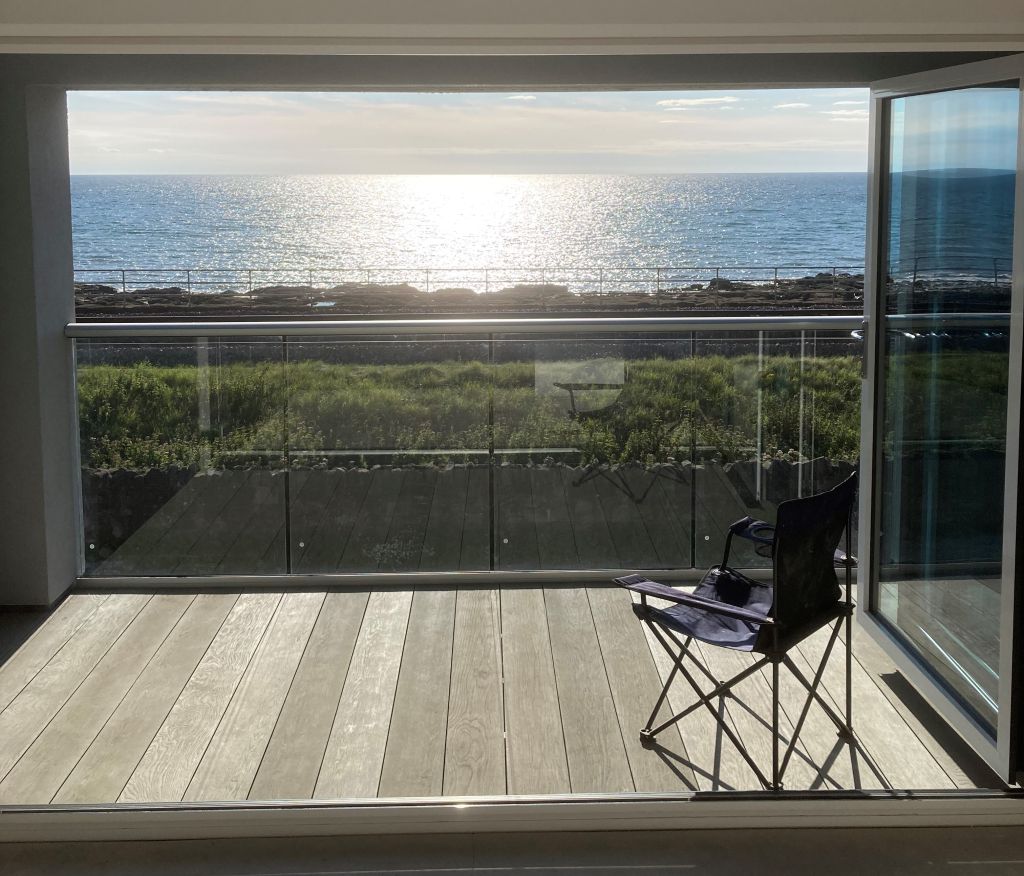
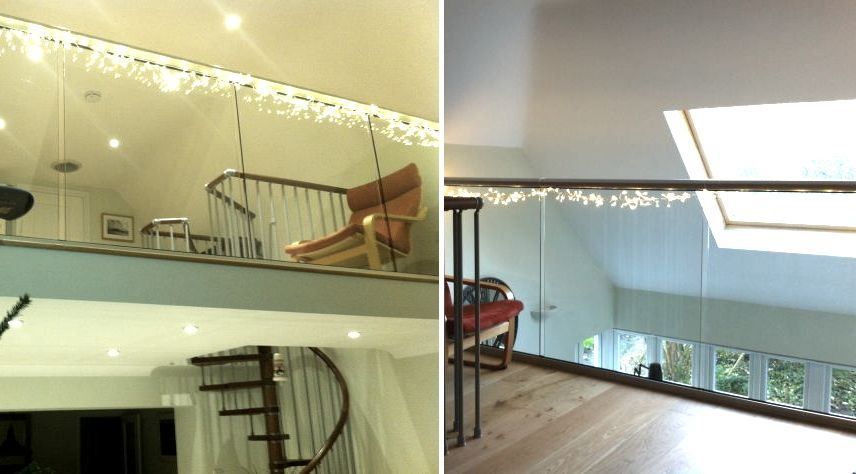
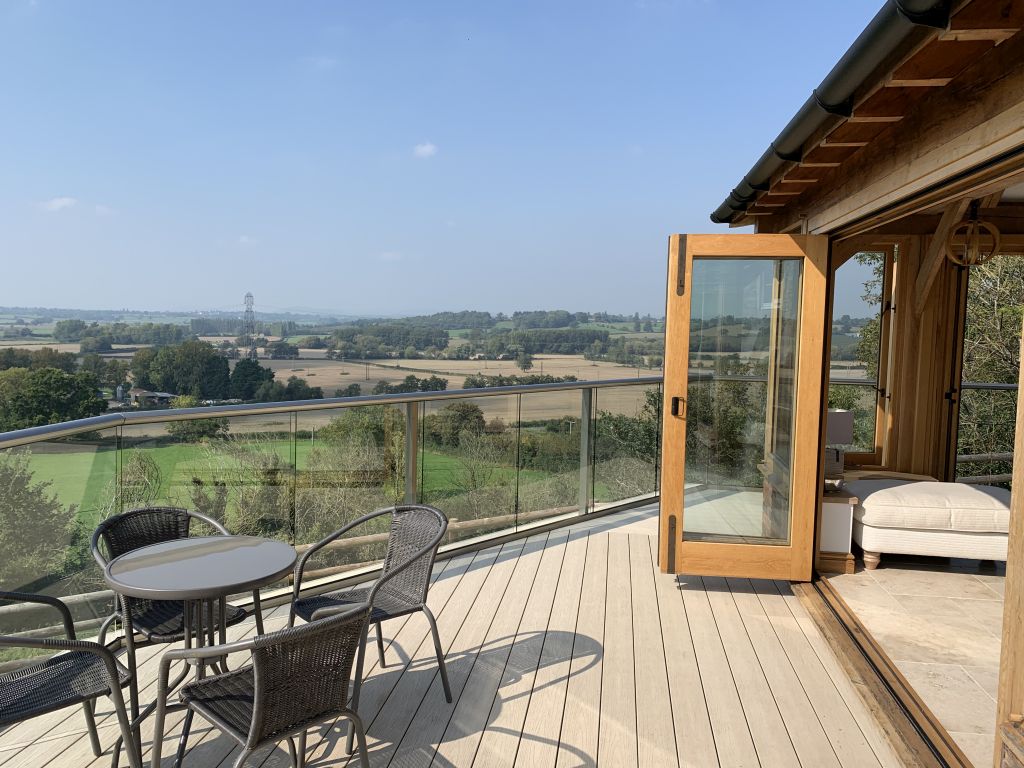
Jersey based Balcony dealer Pallot Windows recently installed 165 linear metres of balustrade at a new build apartment complex in St Helier. The development of 18 one and two bedroom apartments and a three bedroom penthouse commenced early 2009 and was completed in June 2010. The design called for both curved and straight balustrades with round handrails from leading supplier Balcony Systems.

The most contemporary and streamlined system

Director of Pallot Windows Paul Bourke, explains: “Choosing Balcony’s balustrade for this project was easy. The product is superior to others as it uses fewer posts and it doesn’t rely on unsightly tabs or clips to hold the glass in place. It is simply the most contemporary and streamlined system on the market. And we know we can rely on Balcony’s staff for technical support if needed.

“The developer, Premier Contracting Ltd, is delighted with the stylish design and most of the apartments are already sold,” says Paul.

Balcony's balustrades at St Helier

Author: Steve
• Sunday, July 25th, 2010

We have again lifted the industry standards with our latest evolution of self cleaning glass coating.

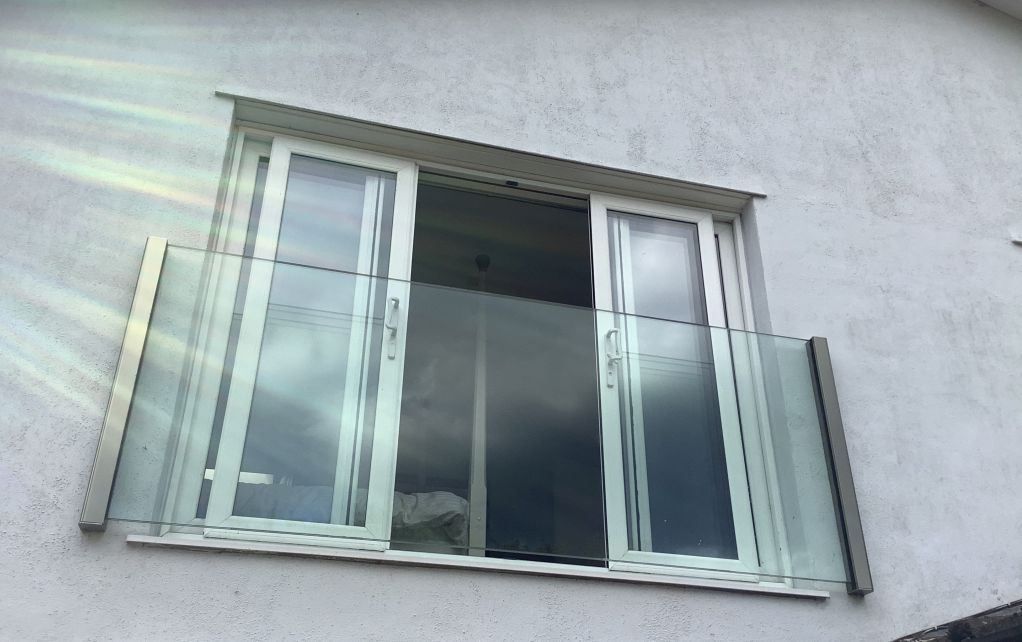
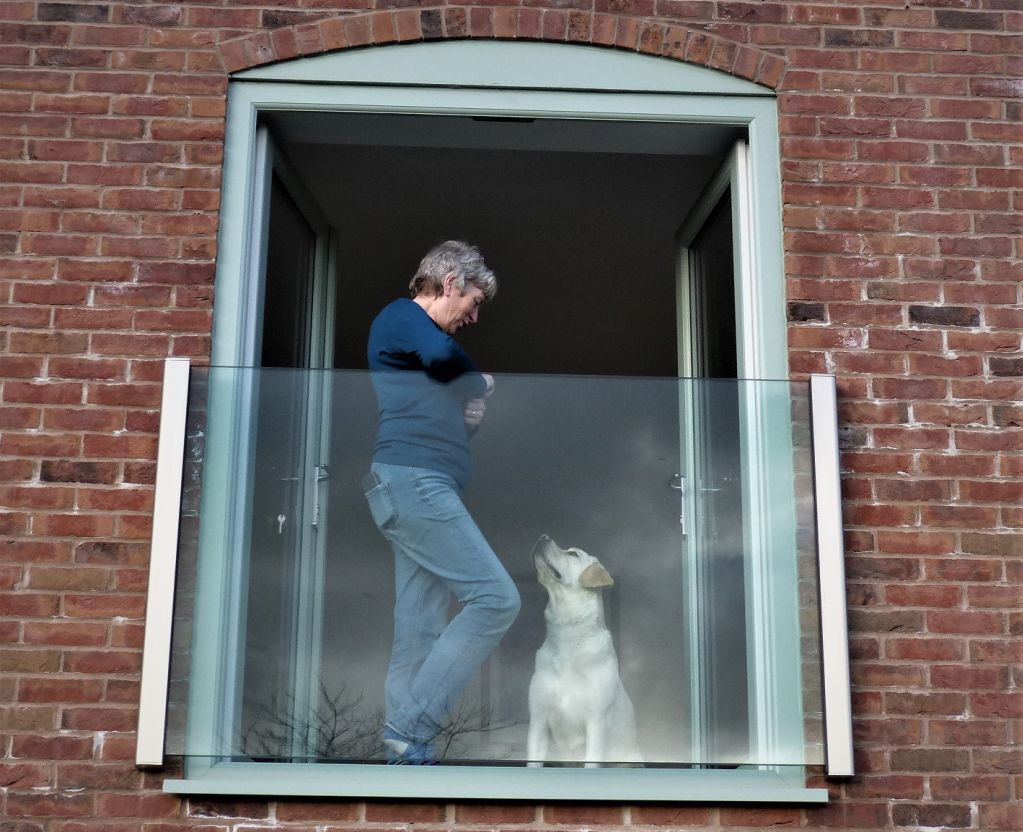
We have announced that ALL of our standard juliet balconies that we keep in stock,  28 different models, will from now be supplied with our unique self cleaning glass coating at NO extra cost.

This coating is a unique hydrophobic totally clear coating that makes the glass super smooth, scratch resistant and adds brilliance. The coating is applied to BOTH sides of the glass and so helps the cleaning inside as well as out!

Environment friendly

This coating is truly eco-friendly. In a manner of speaking, water and rain does the cleaning for you, so it’s more hygienic and with fewer bacteria there’s less need for harsh chemical cleaners – which is kind to the environment and to the customers pocket.

While the coating dramatically reduce the cleaning requirements of treated surfaces, just like high quality Teflon® - coated cooking pans – some cleaning and maintenance is required to ensure on-going performance.

Self cleaning glass now for free

We have identified this as a very important requirement by our clients and have decided that on the standard Juliets we will give this added benefit for free. This special self clean glass coating is also available for all of our other products, namely glass railings, glass balustrades, curved glass doors and curved sliding doors.

Read more technical information on the self cleaning glass coating.

Author: Steve
• Sunday, July 18th, 2010

At times of great stress when the economy takes a turn for the worse or new regulations force significant changes, companies have innovated, both commercially and technically, to come up with new solutions that attract new customers and new possibilities that extend the market. Right now, system companies, hardware and component companies and fabricators have been active in improving and developing their product range to help their customers maintain their competitive edge. Homeowners have a much wider choice of window styles and colours, a choice of energy efficient windows and a wider choice in doors.

The confidence to experiment

TV programmes such as Grand Designs have also encouraged homeowners to be more creative and adventurous. They encouraged people to look at the possibilities in properties, and to look for products that add value, style and uniqueness. These programmes and their counterparts in printed media have opened homeowners’ eyes and imagination. They’ve given homeowners the confidence to look for products that can make their property stand out from the rest, and for products that are able to transform a building. They are more confident about experimenting with the shape, size and look of their property. Suppliers and installers – enablers – that can help homeowners achieve their vision and transform their properties will be the winners.

The upsurge in demand

Since the start of the year we have been pedalling fast to keep up with the demand for our balconies, balustrades and curved patio doors. The upsurge in demand in the midst of a deep recession may surprise some, but architects, developers, self builders and homeowners want to make properties look different, better and more stylish, and when offered the means to do so are quick to find a way to do it. A stylish balustrade, or stunning curved patio doors really do transform a building and you don’t need to be an architect to see their potential.

Many window and door companies are discovering they have the skills and experience that can help them take advantage of this opportunity. A number have already been selected to become Balcony dealers and distributors and are helping transform their customers’ properties and their own prospects.

Author: Steve
• Wednesday, July 07th, 2010

Balcony have recently supplied and installed 4 sets of curved sliding doors overlooking the National Trust village of Lacock.

The interesting fact about these doors is that balcony was required to make rails which were over 10 meters in length in one unit so as to maintain a continuous frame around the opening. This required some modification of the standard door system but the results are marvellous.

The curved doors replaced a facetted system originally designed. The curves complement the property and have allowed larger spans of glass than any facetted option could have allowed.

The curved doors were RAL powder coated and the curved glass used was 28mm Low-E double glazing with safety glass on both sides.

Also incorporated into the first floor doors were two sets of curved Juliet Balconies to protect the users from a fall when the doors are open.

curved-glass-doors-7710-2

curved-glass-doors-7710-1

Author: Steve
• Sunday, July 04th, 2010

Started over two years ago the development of over 600 apartments is nearing completion at the “Crossharbour” suite in East London.

The site is part of the redevelopment of East London in preparation for the 2012 Olympics due to take place in London that summer.

Balcony Systems was involved in the supply of over 4500 meters of their unique glass railing system and a special facia solution for the balcony structure.

Over 6 different special aluminium profiles were specifically extruded for this project. Handrails were finished in Balcony’s proprietary handrail finish called “Royal Chrome” which the architects found extremely pleasing.

The fascia were finished in a metallic anodize colour that uses a special method to break the light giving it a blue-grey colour.

The glass railing were required to use laminated toughened glasses so the balconies conform to both European and British standards:

Balconie's glass balconies at the olimpic village

Olimpic village glass balconies

Author: Steve
• Wednesday, June 30th, 2010

A fantastic project has been successfully completed with stunning balconies at a flagship development on the river Trent in Nottingham. This development of 150 apartments saw the first ever £1 Million penthouse apartment sell in Nottingham.

Curved glass balustrades

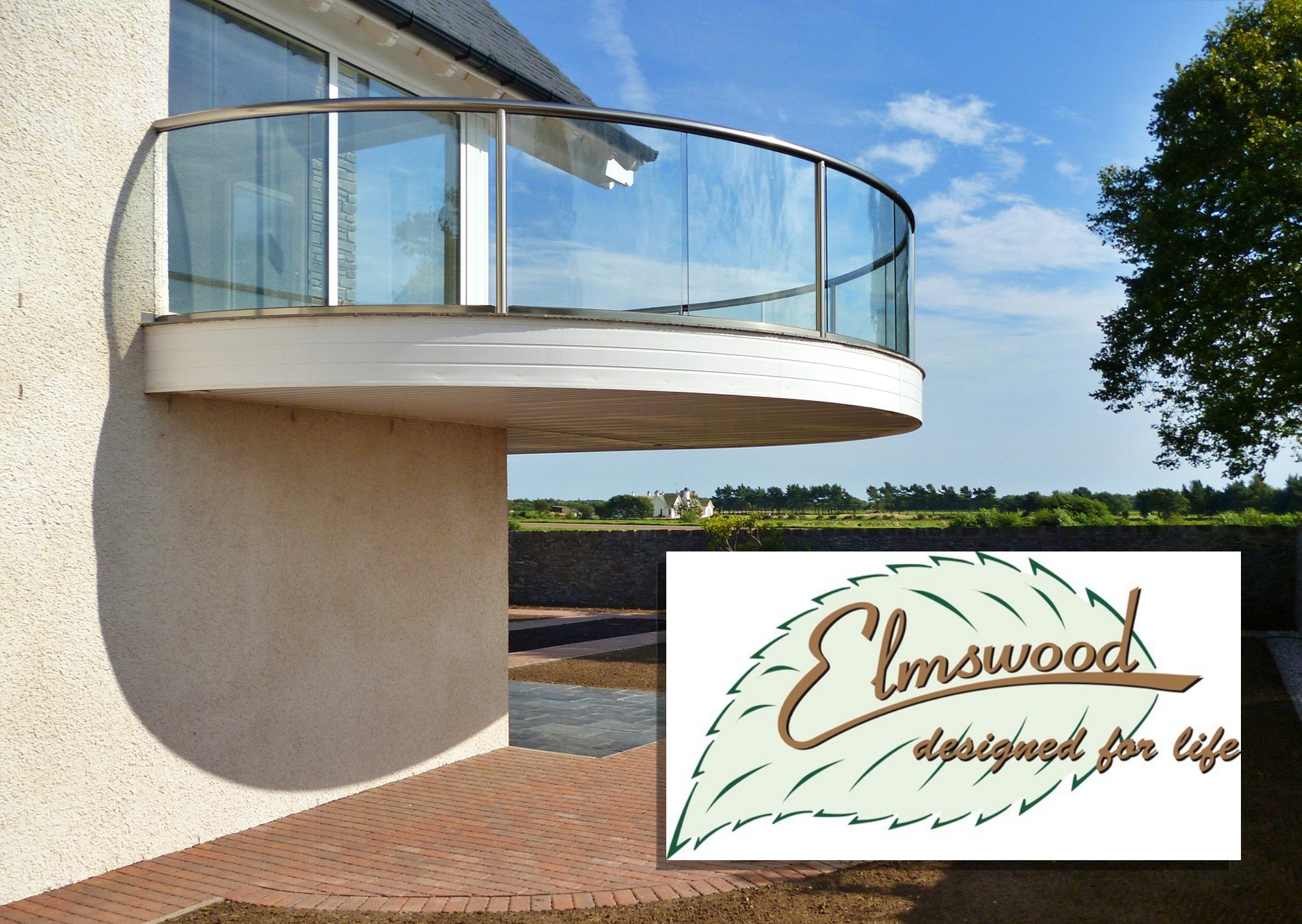
The requirement was for an effective and clean line glass balustrade system that could also be curved. Curved balconies of over 11m in length were achieved without a single post with a clear glass spanning the entire balcony.

Strength and aesthetics

Before installing the developer wanted to see the performance of the balustrades and two load tests of the handrail system were mocked up for them. One test on site and one in the factory. The client and contactor were delighted with the capability of the system and commented they had never seen such an innovative system that combined both strength and aesthetics in a glass railing system.

The original view was to use structural glazed balustrades on the project but with the balcony 2 system the same result was achieved for around half the cost plus half the weight which was also a key factor on the structure of the balconies.

Trent Park developments are looking at using the same system on their next development:

balconies-over-the-river-Trent-11

balconies-over-the-river-Trent-12

Author: Steve
• Sunday, June 27th, 2010

Balcony systems are about to launch and announce the use of self cleaning coated glass as standard on their Juliet balconies.

The glass has already been manufactured for the stock and is on route to the warehouse. We expect to have this ready for delivery mid July.

The glasses to be supplied are specially coated with a nano coating on both sided of the glass making them hydrophobic.

More information on the slef cleaning glass solution by Balcony can be found here on the self cleaning glass area of the website: http://www.balconette.co.uk/self-cleaning-glass/

Balcony Systems do not intend to raise the price of the balconies and thus this development will increase the Juliet balconies value for money and make them self cleaning Juliet balconies.

Author: Steve
• Thursday, June 24th, 2010

Balcony Systems have completed an amazing project on the sea front promenade in Bognor Regis.

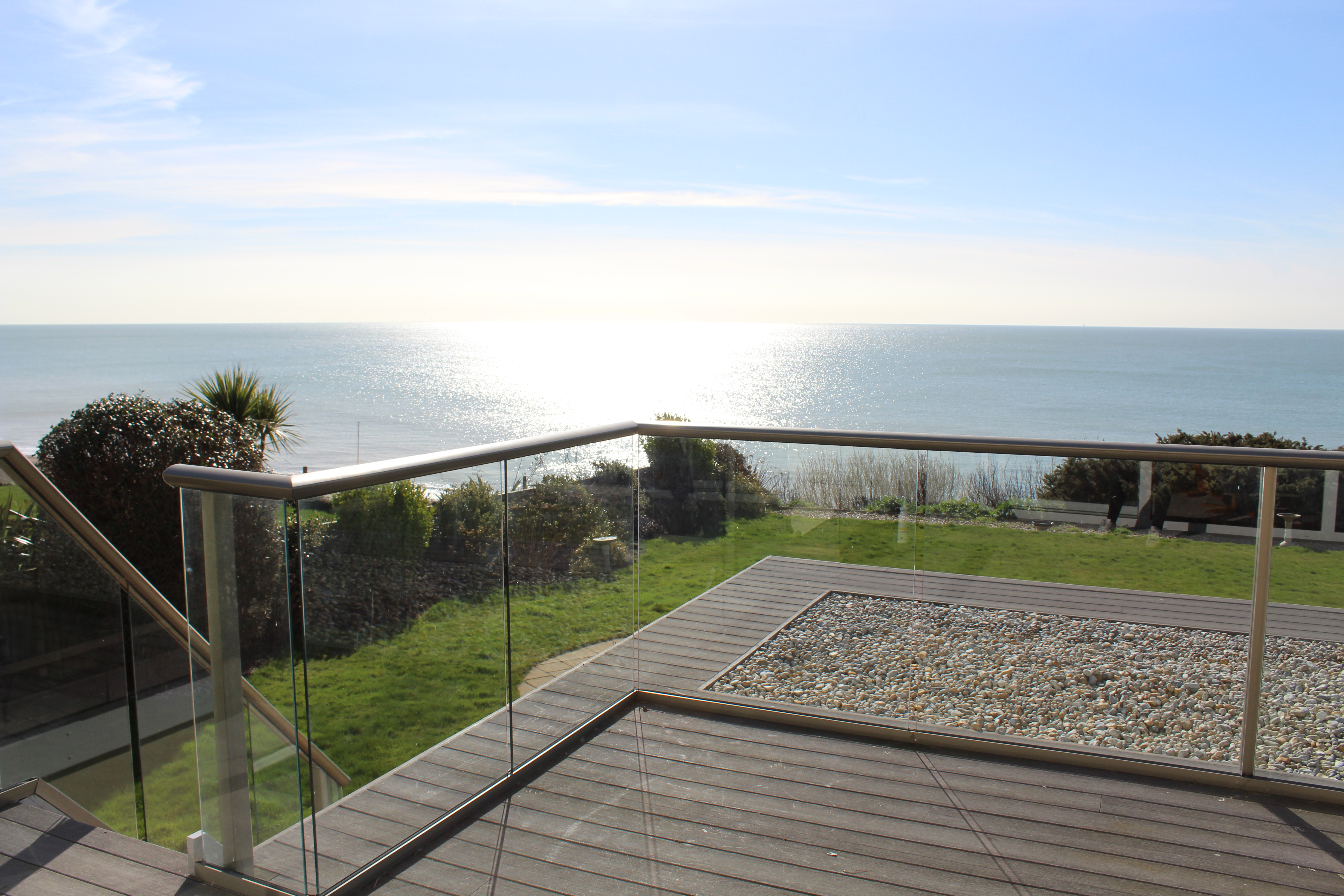
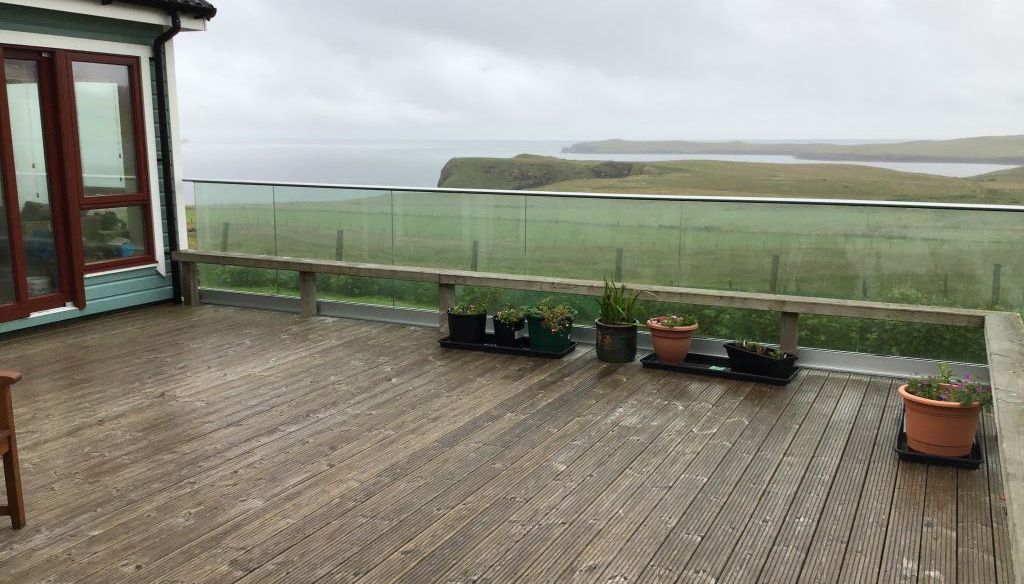
A beautiful apartment block with over four hundred meter of glass balustrades were supplied and installed in this project.

The developer, Hamlet Homes, had previously encountered problems with staining and corrosion on stainless steel balconies they had manufactured on a different project that was also in a marine location nearby.

They chose Balcony Systems Royal Chrome handrail system for the glass balustrades after seeing the advantages both in the look and also in the long term resistance to the salty air environment.

Many complex curves and “S” type bends on the top level terraces required some experienced surveying and precision manufacturing.

The results are delightful and parties are well pleased.

Author: Steve
• Sunday, June 20th, 2010

Tea staining of stainless steels is a relatively common occurrence in coastal locations. Visually, it is a discolouration of the metal surface, which tends to follow the ‘grain’ of any surface finish. Although unpleasant to look at, it is not a serious form of corrosion, and in general does not affect the structural integrity, or longevity of the balcony.

Aesthetically however tea staining is not ideal, and so the information herein is in an attempt to help identify the causes and suggest possible solutions.

Stainless Steel

The term “stainless” steel derives from the development of the speciality steels for modern cutlery industry. It has now been adopted as a generic name for steels developed for any corrosion or oxidation (rust) resistant applications.

The corrosion resistant characteristics of stainless steels are a result of chromium-rich oxide film that forms naturally on the metal surface. Although this film is extremely thin, it is chemically stable and ‘self-repairing’.

Other types of steel such as mild steel suffer from general corrosion where large areas of the surface are affected, but stainless steels, due to their oxide film, are normally resistant to this form of attack.

Common stainless steels used in the enclosure industry are 304 and 316. Both are iron alloys with additional chromium, and nickel. The nickel content in 316 grades is slightly higher than with 304 grades, and the chromium content is slightly lower. However, the most important difference is that the 316 grades have molybdenum as an additive, to improve its resistance to pitting corrosion, which is usually the result of chloride or saline attack. 316 stainless is preferred by balcony and handrail manufacturers due to this superior corrosion resistance, even though it is a higher cost material.

Tea Staining of balcony handrails

Tea staining can be defined as the “discolouration of the surface of stainless steel mainly as a result of chloride attack”

As a first step it is useful to try to understand why, and in what circumstances tea staining can occur. Tea staining of stainless steels is a phenomenon that occurs where water with significant chloride content is in regular contact with the metal surface. This is a common occurrence along the coastal areas of the United Kingdom.

How is tea staining caused?

Although research on the root cause of tea staining has been limited, there seems to be little research on the root cause of tea staining. However the mechanisms involved can be inferred by the pattern of the corrosion, and known factors that can help counter the effect. One of the most common factors linked with tea staining is the surface finish of the material. Smoother, polished surfaces often do not show any signs of staining, so from this it can be said that grooves or troughs in the material are a root cause of the problem. Surface roughness (Ra) is measured in units of micrometers (µm), and is defined as the average deviation of the height of the surface from the mean height. Higher Ra values or irregular profiles are often associated with increased tea staining.

It is reasonable to assume that the base cause of this corrosion is similar to that of many of the other common types of corrosion. The association of tea staining with proximity to salt water means that chloride attack is the most likely cause of the problem. However you would not normally expect the low level of chlorides present in sea water, for example, to have such a dramatic effect. The reasons why this occurs can be deduced by the locations and one of the solutions to tea staining problems.

Reducing the effect of tea staining on stainless steel balconies

One of the most common ways to prevent problems associated with tea staining on stainless steel balconies is to ensure that the surface is washed regularly with fresh, clean water. This would infer that the corrosion is being caused not by the initial contact with salt water, but with deposits of salt building up on the surface and pours of the handrails. Though microscopic the chloride concentration would build up in any surface troughs. As the water evaporates it leaves a deposit of salt in the trough, and the next time the surface becomes wet this deposit concentrates the chlorides naturally present, and increases the corrosive effects. Over time therefore the chloride concentration in these troughs can become high enough to cause corrosion. Note that this would be consistent with the effect that an increasing surface roughness will have on the tea staining effect, i.e. a deeper groove will trap more salty water, which will give a higher chloride concentration.

The location of particular areas prone to tea staining also implies that higher temperatures and humidity have an effect, as does intermittent exposure (for example, spray from rough seas). High temperatures increase the rate of corrosion, but elevated humidity will increase the time taken for the water on the surface to evaporate, and hence increase the time that the higher concentration chloride solution will be in contact with the metal, and it is this contact with the solution that causes corrosion rather than with the resultant solids.

When ordering stainless steel balconies and handrails, the following is a list of factors that should be considered in particular in areas close to the ocean, or where high levels of chlorides occur naturally, or are found in wash waters.

This starts with basic initial material selections, and proceeds into maintenance of the balustrades to ensure a long life, and therefore maximum value for the balcony.

Material Selection – Initial material selection for the enclosure is of critical importance to the longevity of the balustrades. Stainless steel of grade 316 or above should be used as minimum, as lower grades such as 304 are significantly less resistant to chloride attack due to the absence of molybdenum.

Surface Finish – The rule of thumb for surface finishes is that the smoother the finish, the better will be the resistance to tea staining.

Cleaning stainless steel handrails – Regular washing with clean, fresh water or even rain water has a significant effect on reducing the incidence of tea staining in the environments that can cause concern. Where tea staining still occurs despite regular washing, additional protection can be provided by a special coating procedure using a bespoke polymeric resin

Conclusion

Tea staining of stainless steel handrails, balconies and surfaces can be a problem where there are significant levels of chlorides in water that comes into contact with the metal surface. This can be around the coastal locations, or in the interior where ground water contains significant chlorides. Although it does not look very pleasant it tends to be a surface phenomenon only, and does not affect the structural integrity or longevity of the balcony. The cause of tea staining has been examined in some details to help evaluate the potential remedies for the condition. Recommendations to help prevent tea staining include correct specification of the grade of stainless steel to be used, surface finishes to help reduce the problem as well as maintenance procedures, and preventative coating treatments.

Author: Steve
• Wednesday, June 16th, 2010

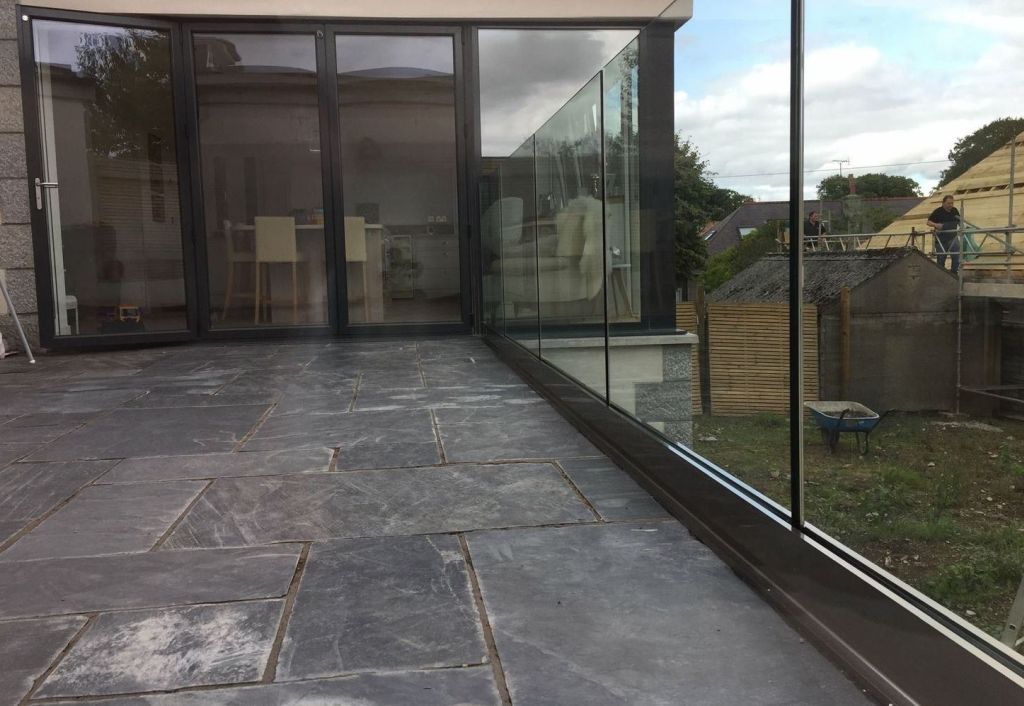
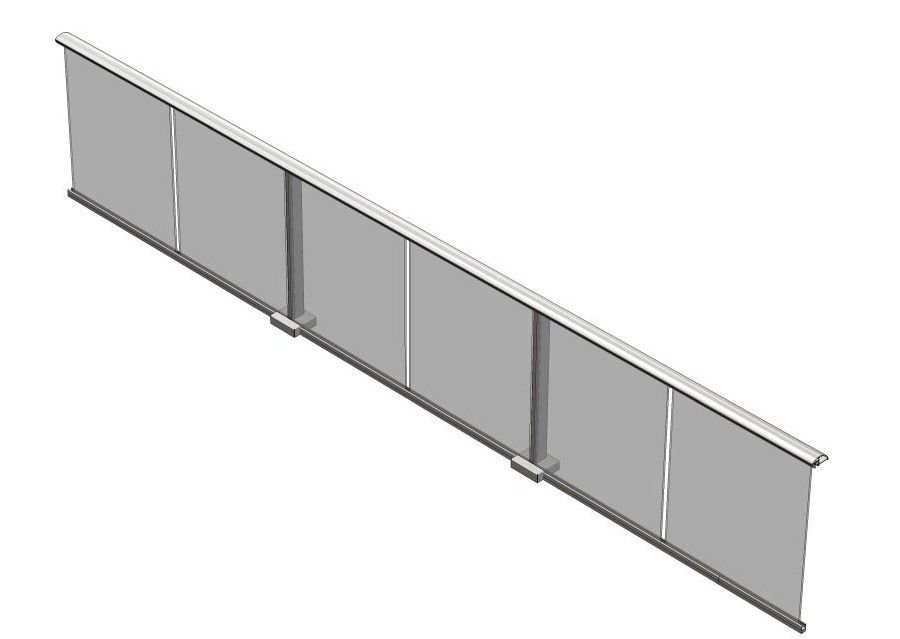
Normal designs of balustrades, or shall we say until Balcony Systems Balustrade system was introduced, have always relied on the strength of posts cantilevering from the floor or relied on the strength of glass clamped at the floor to resist the loads at the top.

This is the traditional and frequently seen solution for balustrades, glass or not.

Resisting the loads

The glass balustrades supplied by balcony systems has broken this routine and introduced a refreshingly innovative approach to resisting the loads. Rather than cantilevering the load and thus needing to design a very rigid base the handrail is designed to take loads direct at the design height.

Fixing the handrail to the falls allow the handrail to work as a rigid element which resists the loads. When corners are introduced the special way the handrail parts are connected and the way the glass is continuously silicone sealed to the glass along the long edge of the glass uses the shearing load of the glass from the handrail right down to the base rail. Again this “out of the box” approach allows for clean glass corners and for cornered balconies to require less posts than ever.

Spreading the resistance across the curve

To top these designs some curved balconies, depending on the radii, are amazingly strong without posts! The curved glass railing is a very stable element to the greater ability of the curve to resist a load by way of spreading the resistance across the curve, similar to a brick arch. In addition the glass itself lends additional horizontal support in a fashion that each curved glass panel cannot bend along the vertical side.